








The factors you should consider when setting up stretch goals for your Kickstarter:
https://stonemaiergames.com/how-to-choose-realistic-stretch-goals-for-your-board-game-kickstarter/
Tips & Resources for Board Game Designers
The factors you should consider when setting up stretch goals for your Kickstarter:
https://stonemaiergames.com/how-to-choose-realistic-stretch-goals-for-your-board-game-kickstarter/
Quick answers to common questions from first-time Kickstarter creators:
When should I launch my Kickstarter?
What’s the best time to launch?
What should my funding goal be?
How do I build up interest for my game?
http://rockmanorgames.com/2020/09/18/running-your-1st-kickstarter-campaign-you-need-500-backers/
A critical look at how board games can alternately portray or endorse certain moral ideas:
Tips for how to enter and win board game design contests (video):
http://www.weirdgiraffegames.com/carla/wordpress/2020/09/14/entering-contests-with-marcus-ross/
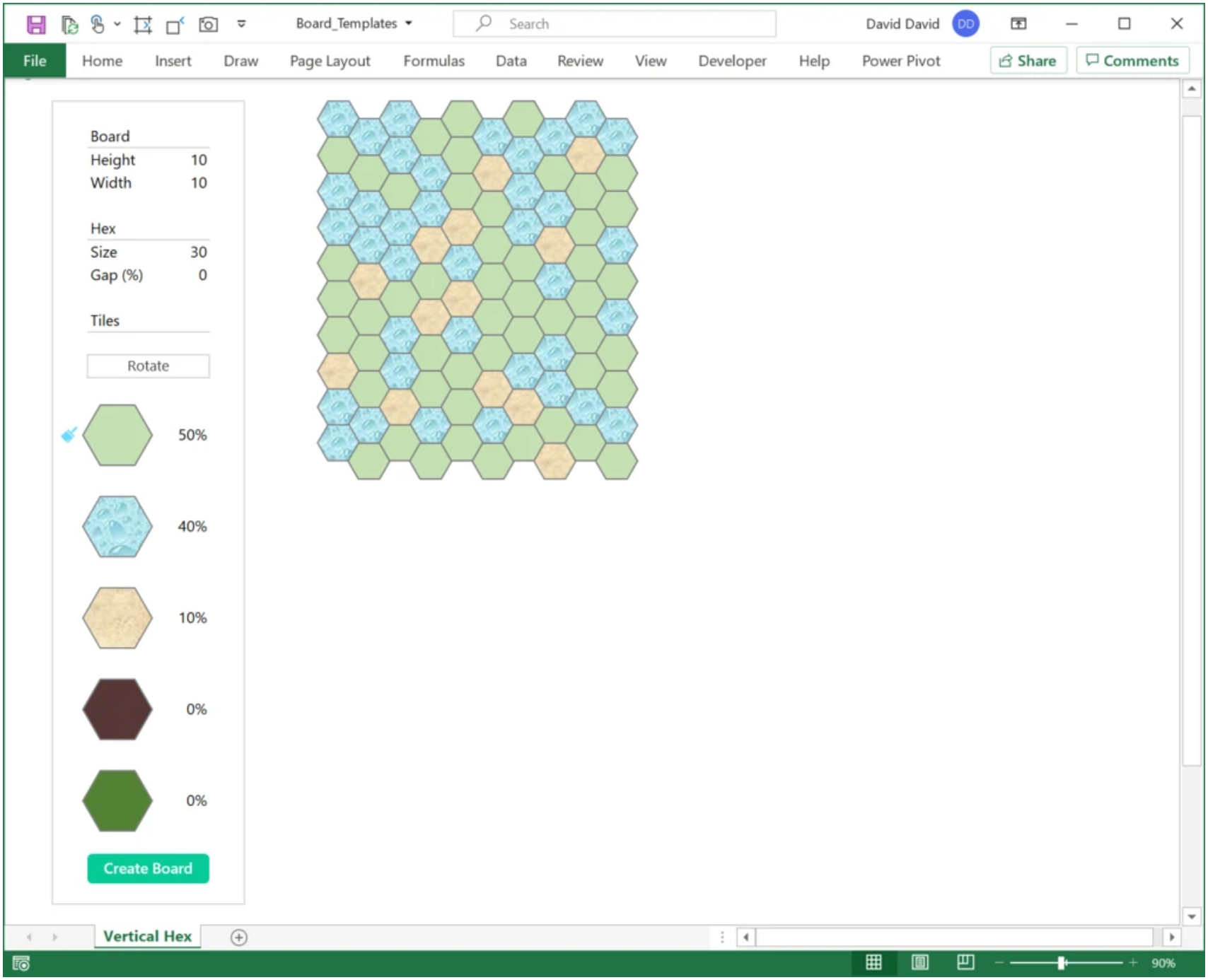
Excel-based hex tile grid generator:
“i believe great designers are curious. they want to learn. why did another game do it this way? what is that mechanic trying to evoke? is it successful? what would i change about it? if you can be curious, then no matter what game you work on, you’ll be successful.”
Gamers share their favorite elements for improving rulebooks:
https://twitter.com/Boardgame_girl1/status/1305488932734410752
Prolific game designer Reiner Knizia discusses the game design process, tips for creativity, industry trends, and more (video)
An introduction to commonly used board game terms and mechanics (audio):
Fiddliness in game design (audio):
https://www.buzzsprout.com/48513/5282658-episode-64-fiddly-games
Suggestions for how to improve on some common wisdom about board game design:
https://twitter.com/belltowergames/status/1304774935152340994
The importance of self-care and how it can affect your work (audio):
https://www.boardgamedesignlab.com/self-care-and-dealing-with-designer-burnout-with-kirk-dennison/
Intrinsic motivation and its role in game design:
https://www.universityxp.com/blog/2020/9/10/what-is-intrinsic-motivation
“Vomit your work on to paper and get it to the table. Play it.
It will be terrible, and you’ll be embarrassed. And then you’ll either be inspired to make the next iteration better, or decide this is not for you and give up.
Both (and the entire spectrum between) are 100% valid.”
A look at loss aversion and the role it can play in game design:
https://www.psychologyofgames.com/2020/09/podcast-63-loss-aversion-and-game-design/
Three perspectives on how board games get made, from prolific publishers with different business models (video)
A quick exercise to help you find a player-friendly way of describing your game in marketing materials:
https://twitter.com/TerriblyBland/status/1303464609077231618
“Games are better if they hold up to competitive play, but they MUST hold up to non-competitive play. Don’t allow your game to drag on or fall apart if players don’t pursue victory as aggressively as you expected them to.”
“Don’t automatically conflate a game’s set-up variability with its replayability. After all, based on centuries of evidence, Go and Chess are the most replayable board games. Instead realize that a game’s replayability often results from the variability within its players.”
“Ideas are a dime a dozen & mean nothing if the work isn’t put in to actually make a game out of it.”