








Richard Breese on designing worker placement games, co-designing, playtesting, and more:
https://www.diagonalmove.com/interview-richard-breese-key-series-creator-and-founder-of-rd-games/
Tips & Resources for Board Game Designers
Richard Breese on designing worker placement games, co-designing, playtesting, and more:
https://www.diagonalmove.com/interview-richard-breese-key-series-creator-and-founder-of-rd-games/
Wood vs. plastic: comparing the price, consistency, flexibility, and environmental impact of different board game token materials:
https://stonemaiergames.com/wood-vs-plastic-the-facts-about-custom-tokens/
“The most important skill for boardgame developers is communication — more important than design chops, math, research, or games knowledge. None of those matter if you can’t tell the publishers and designer WHY a change is necessary or align on product vision.”
How simultaneous decision-making and bluffing give players the illusion of control:
Storytelling mechanics: how various games incentivize players to tell stories:
“By far the best playtesting advice I’ve ever learned is to make your 1st priority creating a safe space for your testers. No one’s going to test your game or give you honest feedback if they don’t feel safe & welcome. Make sure they know their voices matter & that you value them.”
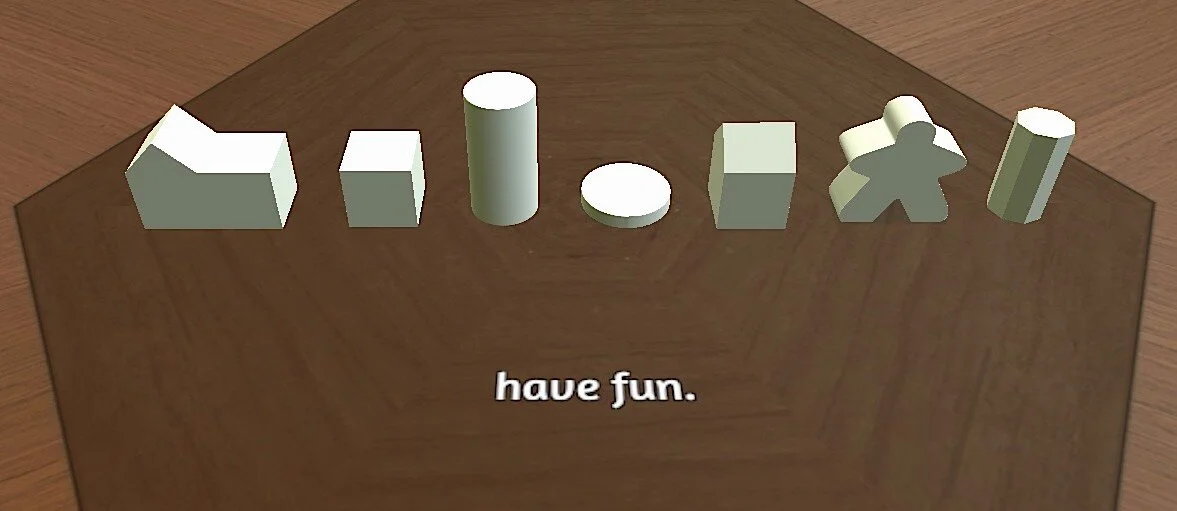
Essential board game pieces for use in Tabletop Simulator:
https://steamcommunity.com/sharedfiles/filedetails/?id=2163372496
4 lessons from the Exit games for aspiring board game designers:
https://brandonthegamedev.com/4-lessons-from-exit-games-for-aspiring-board-game-designers/
Designer and publisher Carla Kopp on making games during a pandemic, working with other creatives, online playtesting, and more (video)
Eric Slauson on designing party games, colorblindness considerations, working with publishers, and more (video)
When and how to pursue a new direction with a game design:
https://brandonthegamedev.com/how-to-know-when-to-pivot-on-your-board-game-design/
Notes on making board game business decisions, weighing others’ advice, and doing what’s best for your company:
https://stonemaiergames.com/retailers-filtering-feedback-and-making-sense-of-your-business/
How the design of a game based on history will change depending on its scope:
https://hollandspiele.com/blogs/hollandazed-thoughts-ideas-and-miscellany/scale-and-historicity
Instead of asking if your game is too complicated, ask whether it’s too complicated for its target audience:
http://bagamesco.com/2020/07/is-your-board-game-too-complicated/
“When designing a cooperative game, it can be good to deter quarterbacking with the design, but make sure you aren’t removing mechanics that encourage teamwork and interesting team discussions!”
Introduction to wargame design (video)
Some of the many ways that games can make players feel great:
The basics of getting a cost estimate for producing your game:
https://brandonthegamedev.com/how-much-you-should-spend-on-board-game-manufacturing/
“Game designers: please don’t say that your game is ‘the most unique ________ game in years’ because it probably isn’t. It likely does have cool and unique aspects, but just tell me what those are. Spend your two minutes describing them, not hyperbolizing.”
How to make games that appeal to both kids and adults (video)