







How to write the opening paragraph of lore for your board game:
https://shippboardgames.blogspot.com/2022/05/inciting-incidents.html
Tips & Resources for Board Game Designers
How to write the opening paragraph of lore for your board game:
https://shippboardgames.blogspot.com/2022/05/inciting-incidents.html
How can designers knit together their game’s theme and mechanics well? One way is by considering the narrative framing of the game:
https://shippboardgames.blogspot.com/2022/05/narrative-framing.html
Two situations when you might need to pursue a new path for a game design—to differentiate it from another design, or to make it lighter or heavier—and how to do that:
http://www.weirdgiraffegames.com/carla/wordpress/2022/05/03/game-design-going-off-the-rails-part-1/
Tips for making a pitch video for your board game (video):
Given the right circumstances, could your game prevent players from actually playing it? Here’s a short thread with a quick method for figuring that out:
https://twitter.com/peterchayward/status/1521028679970828289
This spreadsheet helps small board game publishers manage their international localization partnerships:
spreadsheet: https://docs.google.com/spreadsheets/d/1g8_QVuS4Bsfo-Kda-wuUutB7v6Gnjc6cpmFW6b4wHjk/edit#gid=2018350276
how-to video: https://www.youtube.com/watch?v=IfEHuialts8
A short thread on small decisions, and when offering more choices to players isn’t necessarily the best approach:
https://twitter.com/AmyDesignsGames/status/1520073727135911936
An overview of how to use product design principles to enhance your tabletop game (video)
After sending copies of your crowdfunded game to backers, here are some options for where to sell the additional copies that you’ve had printed:
https://boardgamedesigncourse.com/extra-copies-kickstarter-games/
Why would a trademark be refused? Some examples from the world of games:
Conflict in games: what we mean by it, how it arises in games, different types of conflict, and the kinds of experiences it can offer:
https://shippboardgames.blogspot.com/2022/04/defining-conflict.html
A short thread on how board game publishers arrange “friendly” international shipping on crowdfunded games:
This spreadsheet lets small board game publishers estimate their income, expenses, and profit for a full catalog of games:
spreadsheet: https://docs.google.com/spreadsheets/d/1AEwMSR2W-_s-C9v4xsd8DQ4_73J-O1Gt7hxsW4IHeY0/edit#gid=0
how-to video: https://www.youtube.com/watch?v=BqJeU7AUz3Y
Erica Bouyouris, game designer at Spin Master, on getting inspiration for a game, the early design process, co-designing, working for a big publisher, and more:
Getting started with board game design: a step-by-step guide to coming up with ideas, early prototyping, and playtesting:
https://boardgamedesigncourse.com/how-to-make-a-board-game-a-step-by-step-guide/
Characteristics of roll-and-writes: how they work, and hallmarks of the genre:
https://shippboardgames.blogspot.com/2022/04/mechanics-roundup-roll-write.html
Hobby vs. mass market: the differences in how to conceptualize, design, and pitch for different sides of the industry (video):
Experiencing board game design doldrums? Here are some ideas for how to shake yourself out of it:
https://shippboardgames.blogspot.com/2022/04/dealing-with-doldrums.html
Action points: games that use this mechanic, and tips for designing and testing that type of game (video):
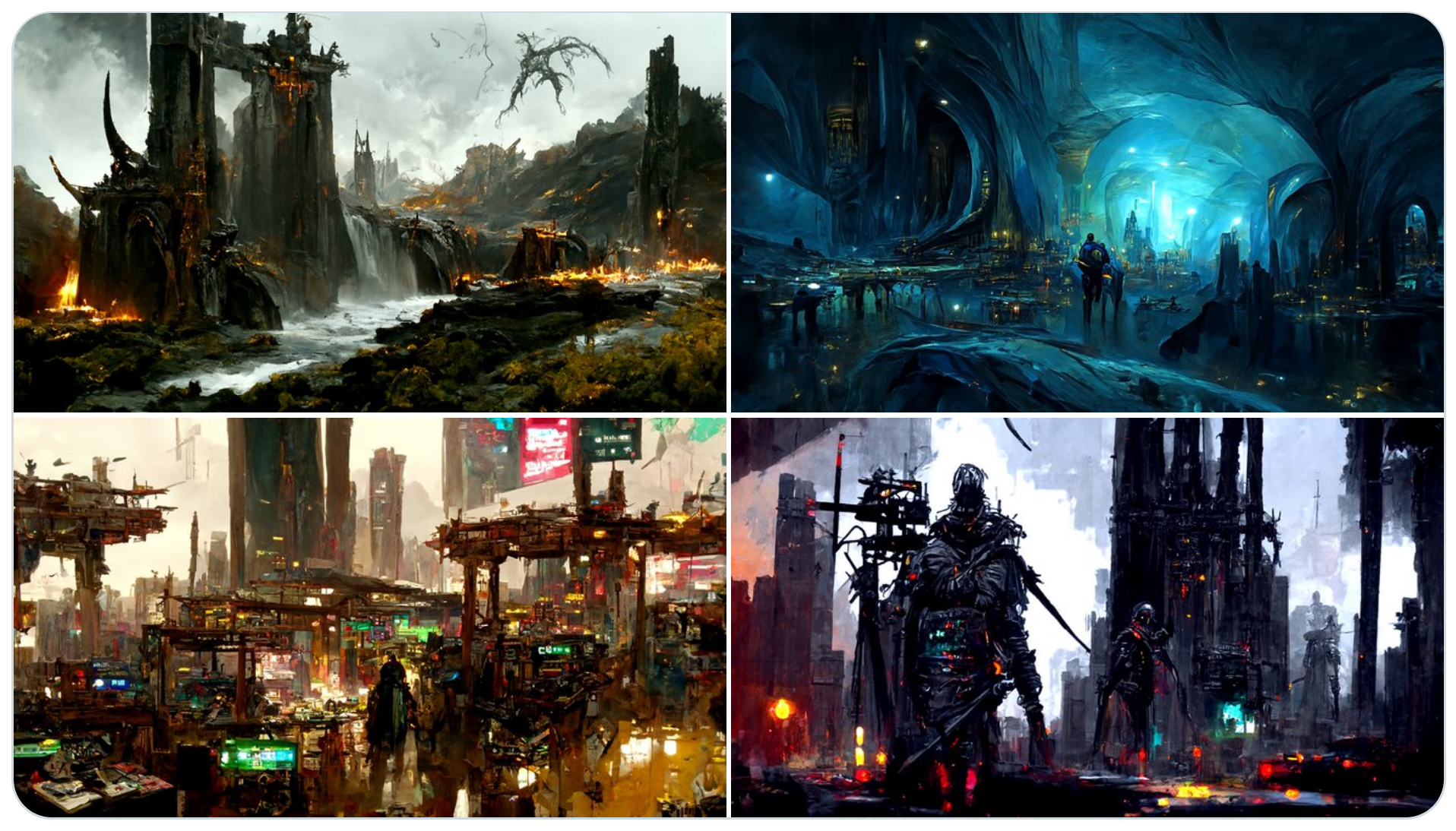
AI-generated cyberpunk and fantasy art for game prototypes, available for pay-what-you-want under a Creative Commons license: