






Hobby vs. mass market: the differences in how to conceptualize, design, and pitch for different sides of the industry (video):
Experiencing board game design doldrums? Here are some ideas for how to shake yourself out of it:
https://shippboardgames.blogspot.com/2022/04/dealing-with-doldrums.html
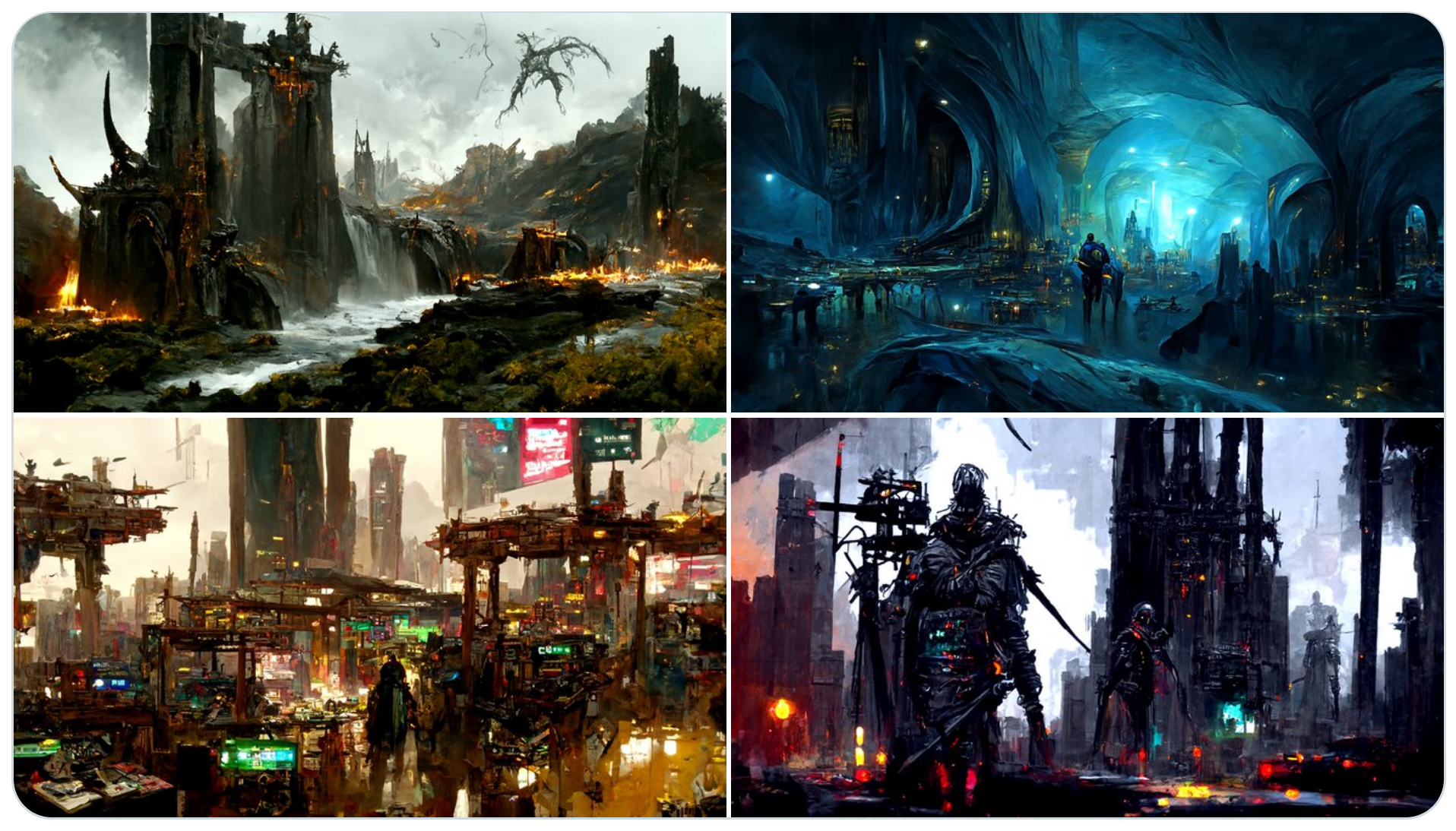
How games use tempo and timing to create interesting moments for players:
https://boardgamegeek.com/blogpost/130729/most-underdiscussed-element-board-game-strategy
“Who are the players in the game?” Here are some common categories of player roles:
https://shippboardgames.blogspot.com/2022/04/playable-character-roles.html
What board game designers need to know about intellectual property law—how patent, copyright, and trademark apply to what they do:
https://www.meeplemountain.com/articles/the-board-game-designers-guide-to-intellectual-property-law/
Grouping different kinds of player strategies, along with the themes that tend to pair well with them:
https://shippboardgames.blogspot.com/2022/03/theming-player-strategies.html
The board game industry seeks novelty, but many players seek the familiar. How can game designers reconcile the two?
https://boardgamegeek.com/blogpost/125647/familiarity-breeds-contentedness
Trends in evergreen games that stay atop best-seller lists:
https://stonemaiergames.com/evergreen-games-what-do-they-have-in-common/
Game structures: different kinds of play modes and the mechanics and themes that tend to fit well with them:
https://shippboardgames.blogspot.com/2022/03/theming-game-structures.html
An overview of all the steps it takes to deliver a crowdfunded board game from the manufacturer to backers around the world:
https://boardgamedesigncourse.com/7-steps-to-delivering-your-kickstarter-board-game/
Three different types of objectives in games: how they work in a design and affect the play experience:
https://boardgamegeek.com/blogpost/129936/new-way-talk-about-objectives-games