







Advice one designer wishes he had when working on his first game:
https://boardgamedesigncourse.com/advice-i-wish-i-had-when-i-was-working-on-my-first-game/
Tips & Resources for Board Game Designers
Advice one designer wishes he had when working on his first game:
https://boardgamedesigncourse.com/advice-i-wish-i-had-when-i-was-working-on-my-first-game/
Tips for putting together a better “elevator pitch” for your game:
Ways families can get started in board game design (video)
“If your game has rounds, sometimes you can move some of the game setup procedure to round preparation procedures instead. This often prevents exceptions where a given rule applies to all rounds *except the first.*”
One way of letting players ramp up their abilities without it feeling like an illusion:
An overview of how to collect, interpret, and use playtesters’ feedback:
https://www.universityxp.com/blog/2020/2/26/applying-feedback
A look at one small publisher’s creative process, from concept through release:
http://rockmanorgames.com/2020/02/24/games-are-ready-when-theyre-ready/
How to solo test more designs than you ever thought possible:
Board game designers share what part of playtesting they do differently from everyone else:
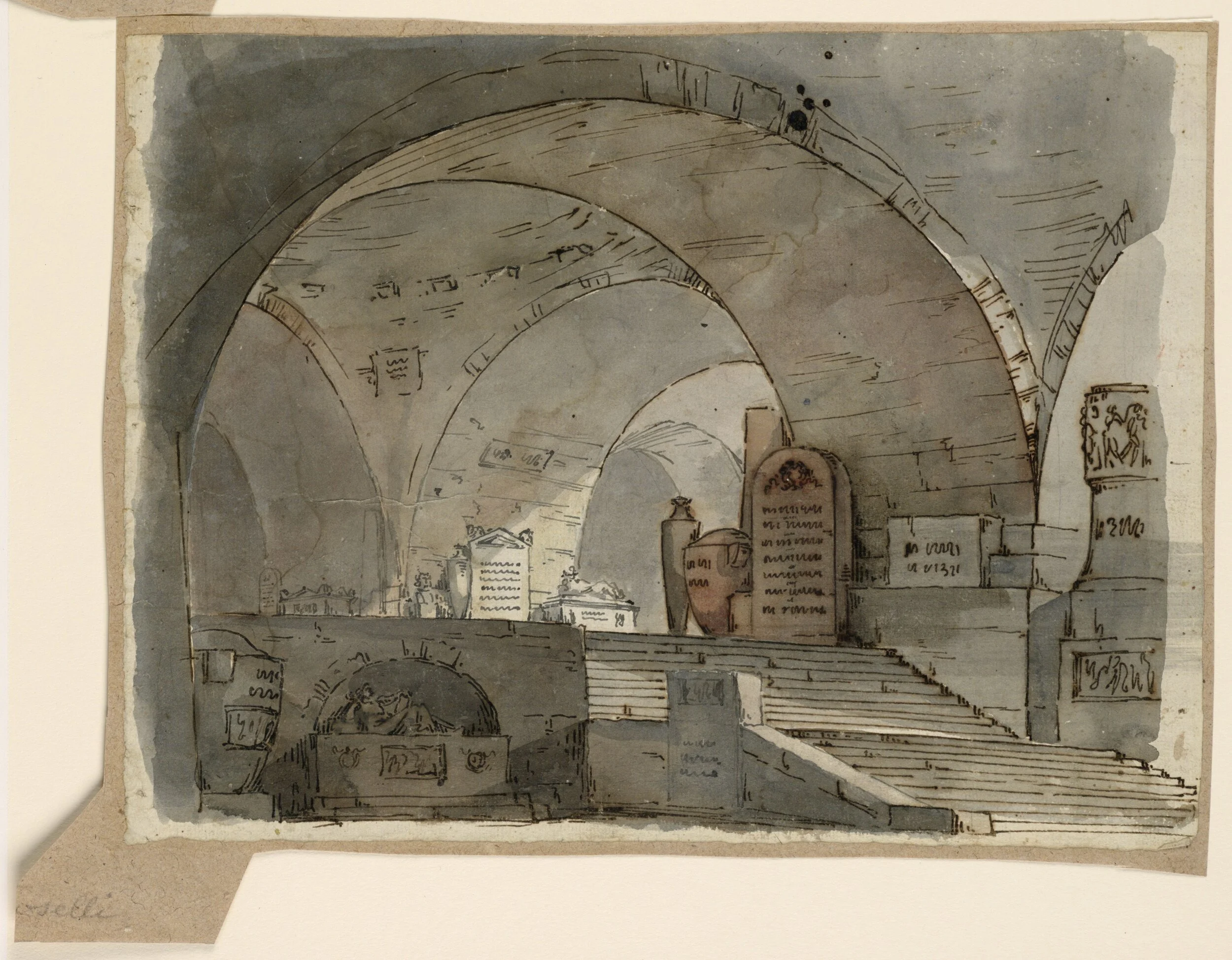
Smithsonian Open Access contains millions of high-res public-domain images that are free to use:
A thread about playtesting videogames that also applies to tabletop games:
Thoughts on what makes a game “playful”—deep and expressive but also low-stress:
http://keithburgun.net/achieving-playfulness-in-strategy-game-design/
“You want people to have a moment so exciting that they can’t wait to share it with their buddies.”
What should be on your Kickstarter launch-day checklist:
Principles for designing a game system that’s built to last:
https://level99games.tumblr.com/post/190810837571/designing-to-last-core-principles-in-game-design
Thoughts on some conventional wisdom for board game designers:
https://boardgamegeek.com/blogpost/98792/cutting-room-floor-episode-2-conventional-wisdom
The challenges of designing a game for a mass-market audience:
“Is there a skill more important for a game designer to master than empathy? To be able to see when someone is confused or frustrated or excited without them telling you will keep you on the right path during design iterations.”
Designing games to make them more visually accessible:
How a mismatch between theme and mechanics can mislead players—a Twitter board game design discussion: