






What makes a board game that creates a story? A Board Game Design Forum discussion:
http://www.bgdf.com/forum/game-design/topics-game-design/making-games-tell-stories
Stealing from existing games–responsibly:
SEE ALSO: What is fair use?
http://boardgamegeek.com/blogpost/30657/whats-up-with-fair-use-part-1-an-overview
The key to getting published: playing games with strangers:
http://www.leagueofgamemakers.com/the-key-to-getting-published-playing-games-with-strangers/
The benefits of a strong development process, using the classic game of Acquire as an example:
http://opinionatedgamers.com/2014/05/29/how-acquire-became-acquire/
The benefits of prototype conventions for designers:
http://mvpboardgames.blogspot.com/2014/05/dtow-4-prototype-conventions.html
“Adding value to others and forging friendships will significantly increase your chances of succeeding on Kickstarter. Those are the projects that backers gravitate towards. Those are the creators that backers trust in the future, because they’re not just backers anymore–they’re friends.”
A detailed look at the board game manufacturing process:
http://www.flatlinedgames.com/11_production_printing_cardboard_and_cards
Exploring Games discusses the history and development of worker placement games (starts at 32 minutes):
http://gamerchris.com/2014/05/23/exploring-games-episode-24-exploring-worker-placement.aspx
Daniel Solis (@DanielSolis) on component-first design:
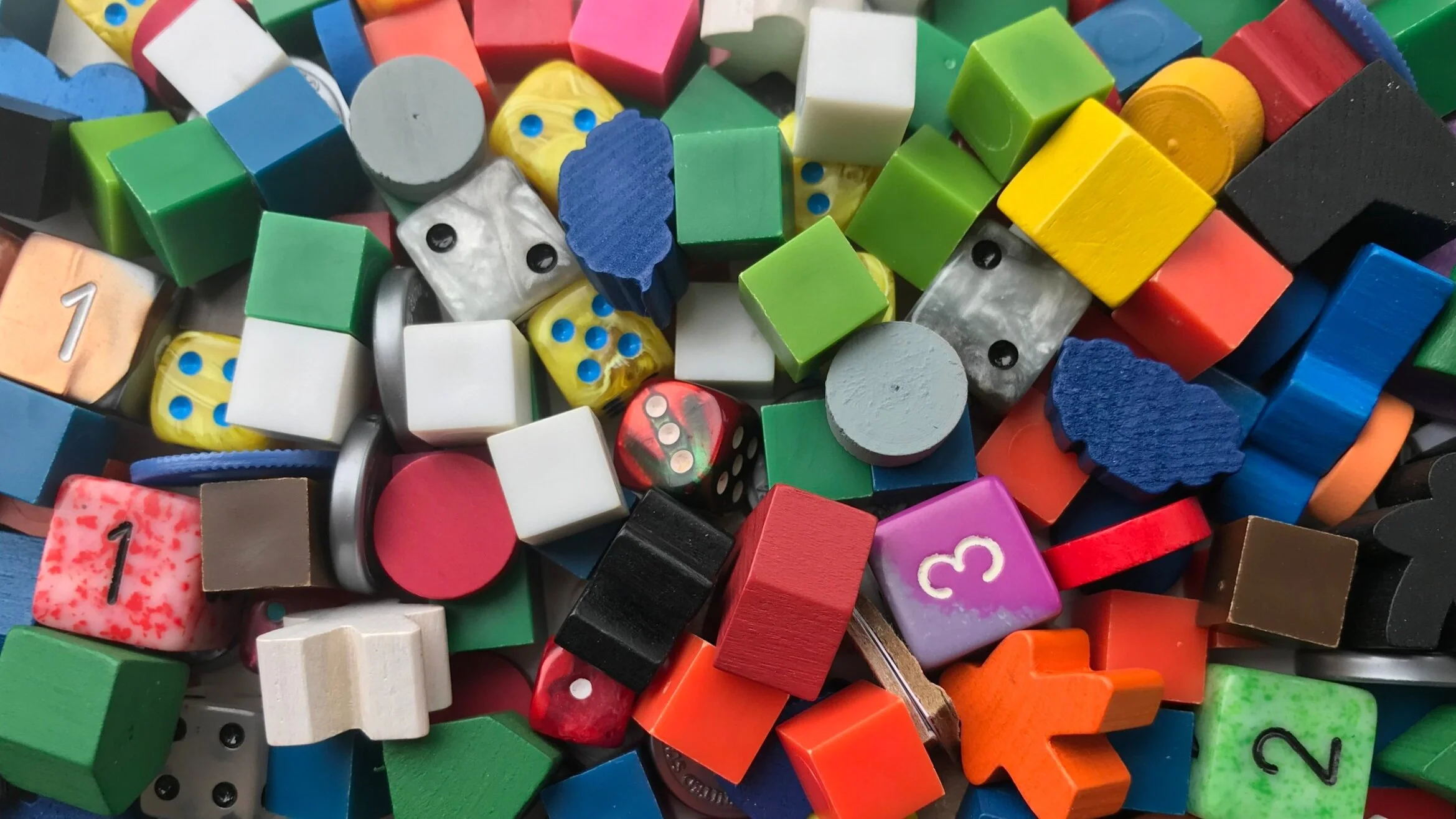
“Grab some dice or cards and just play with them, the old-fashioned way. Explore their physical properties, see what they can do on the table. How heavy are they? How do they fit together? What combinations are possible?”
http://danielsolisblog.blogspot.com/2014/05/3-simple-steps-of-component-first-design.html